Dr. Alexandre Amato
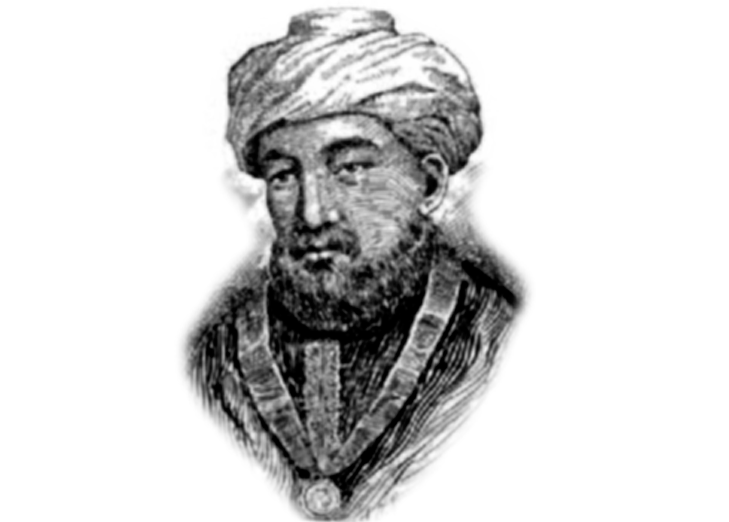
In Arabic ‘Abu ‘Ali al-Hussain ibn ‘Abd Allah ibn al-Hassan ibn ‘Ali ibn Sina, known in the West as Avicenna, an Arab philosopher (born near Bukhara in 980 and died in Hamadan, in Persia, in 1037), considered one of the greatest philosophers of Islam and known as "the Philosopher of the Arabs." A man of great culture, he specialized in the medical field. At only 16 he had studied medicine, and his competence was evident. At 18 he treated and cured Prince Nuh ibn Mansur, after several attempts by other physicians. Gaining trust, political protection, and favor, the princes of Bukhara granted him access to the library of the Samanid rulers, the sanctuary of Arab learning at the time. He was a physician, jurist, and teacher, and he held political posts. He wrote about 200 works, the most important being the Book of Healing. His works were widely used in the Middle Ages. He completed the encyclopedia al-Qanun, or Canon, at 21; in his own time it was held in higher regard than the work of Rhazes (al-Razi) or of Galen. For centuries (until the mid-seventeenth century), and among Christians as well, his work was studied and translated by masters, physicians, and students.